The Middle East is in the throes of a complex and escalating conflict, with Kuwait now bearing the brunt of missile and drone attacks. This ongoing war, sparked by US and Israeli aggression against Iran, has evolved into a multi-front battle with far-reaching consequences.
The Kuwaiti Front
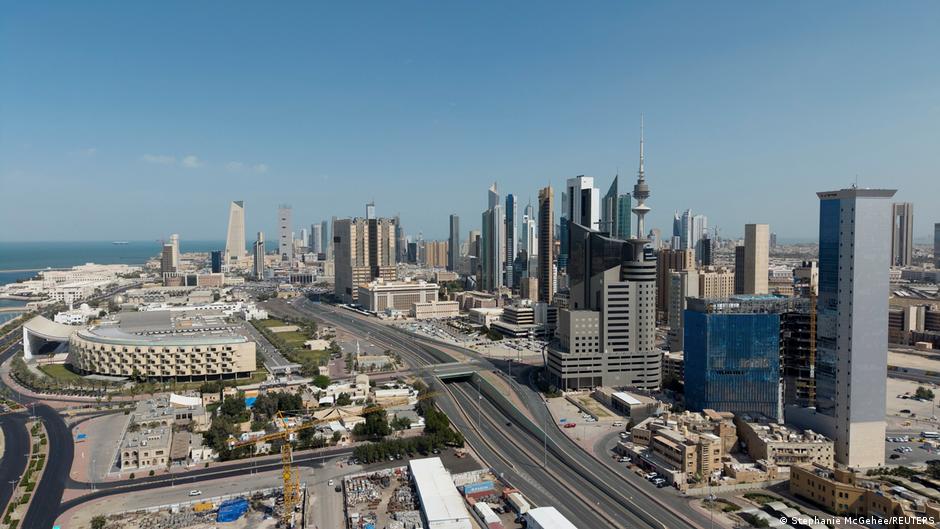
Kuwait, a strategic ally hosting a major US base, has become a target. The country's air defenses are actively responding to incoming missile and drone attacks, raising concerns about the potential for further escalation. While the source of these attacks remains unclear, Iran's paramilitary forces have claimed responsibility, citing retaliation for US strikes on Iranian military sites.
A War of Words and Actions
Diplomatic efforts to end the US-Iran war have been hampered by a lack of trust and contradictory messages. Iran's Foreign Ministry spokesman, Esmaeil Baqaei, highlighted the challenging atmosphere of negotiations, with the US constantly shifting its demands. Baqaei emphasized that a ceasefire in Lebanon, where Israel is engaged in an offensive against Hezbollah, is a prerequisite for any deal to end the war.
Israel's Offensive in Lebanon
Israeli Prime Minister Benjamin Netanyahu and Defense Minister Israel Katz have ordered strikes on Beirut's southern suburbs, known as Dahiyeh, a stronghold of the Iran-backed militia Hezbollah. This move follows Hezbollah's firing of missiles and drones into Israel to support Iran, resulting in the displacement of over 1.2 million Lebanese and the deaths of over 3,370 people, according to the Lebanese government.
International Response
The UN Security Council is set for an emergency meeting on the conflict in Lebanon, with France leading the call. Lebanese President Joseph Aoun has condemned Israel's aggression, particularly its capture of the medieval Beaufort Castle, marking a deep incursion into Lebanese territory.
The Broader Impact
This conflict has not only affected the Middle East but has also had a significant economic impact globally. As the war continues, with limited ceasefires and ongoing attacks, the region remains in a state of flux.
A Complex Web of Alliances
The involvement of various militias and the backing of different nations create a complex web of alliances and motivations. Hezbollah's support for Iran, Israel's offensive against Hezbollah, and the US's targeting of Iranian military sites all contribute to the escalating tensions.
The Future of the Conflict
With diplomatic negotiations underway, the question remains: Can a peaceful resolution be found, or will this conflict continue to spiral, impacting innocent lives and regional stability? The coming days and weeks will be crucial in determining the fate of this volatile region.